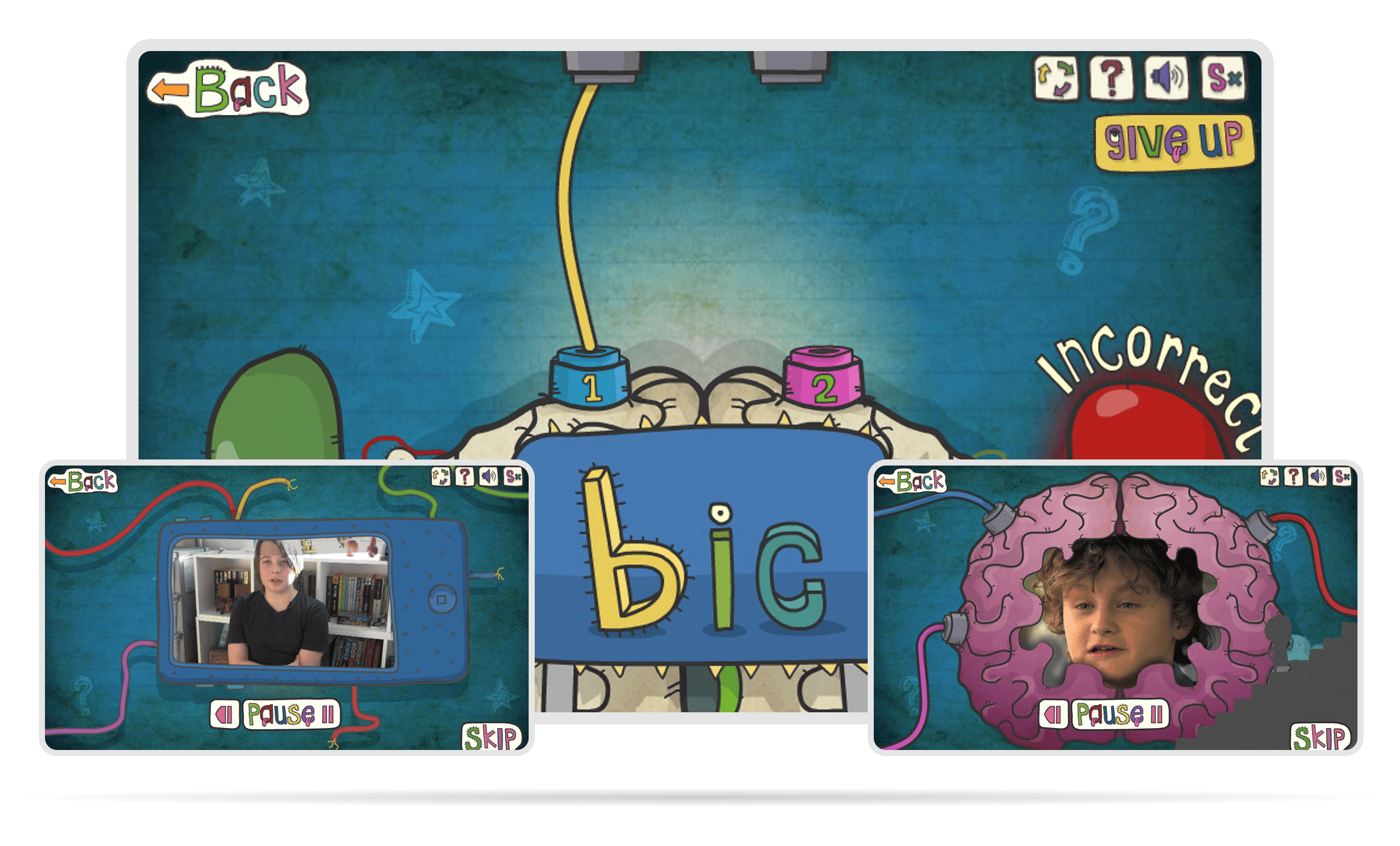
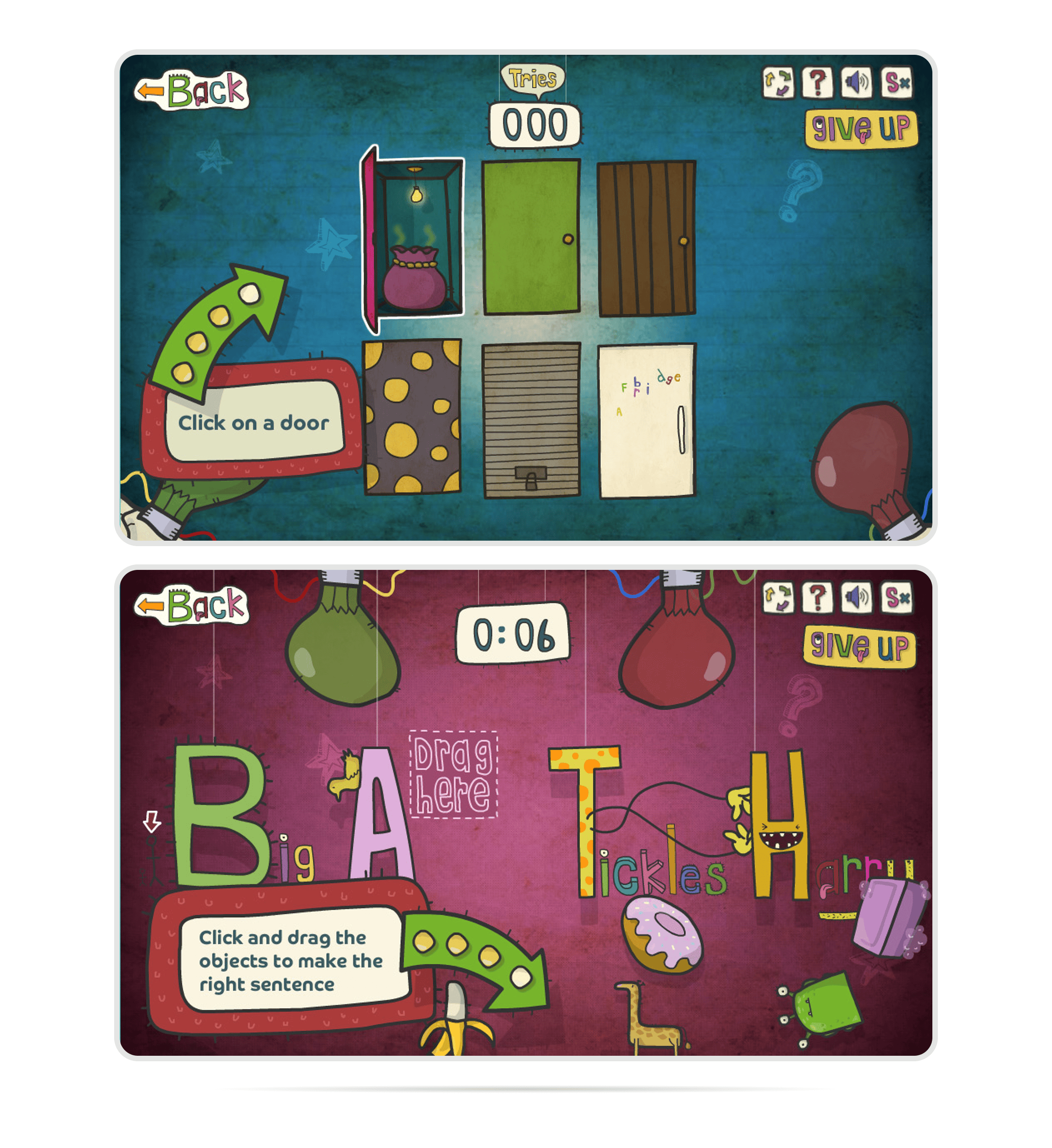
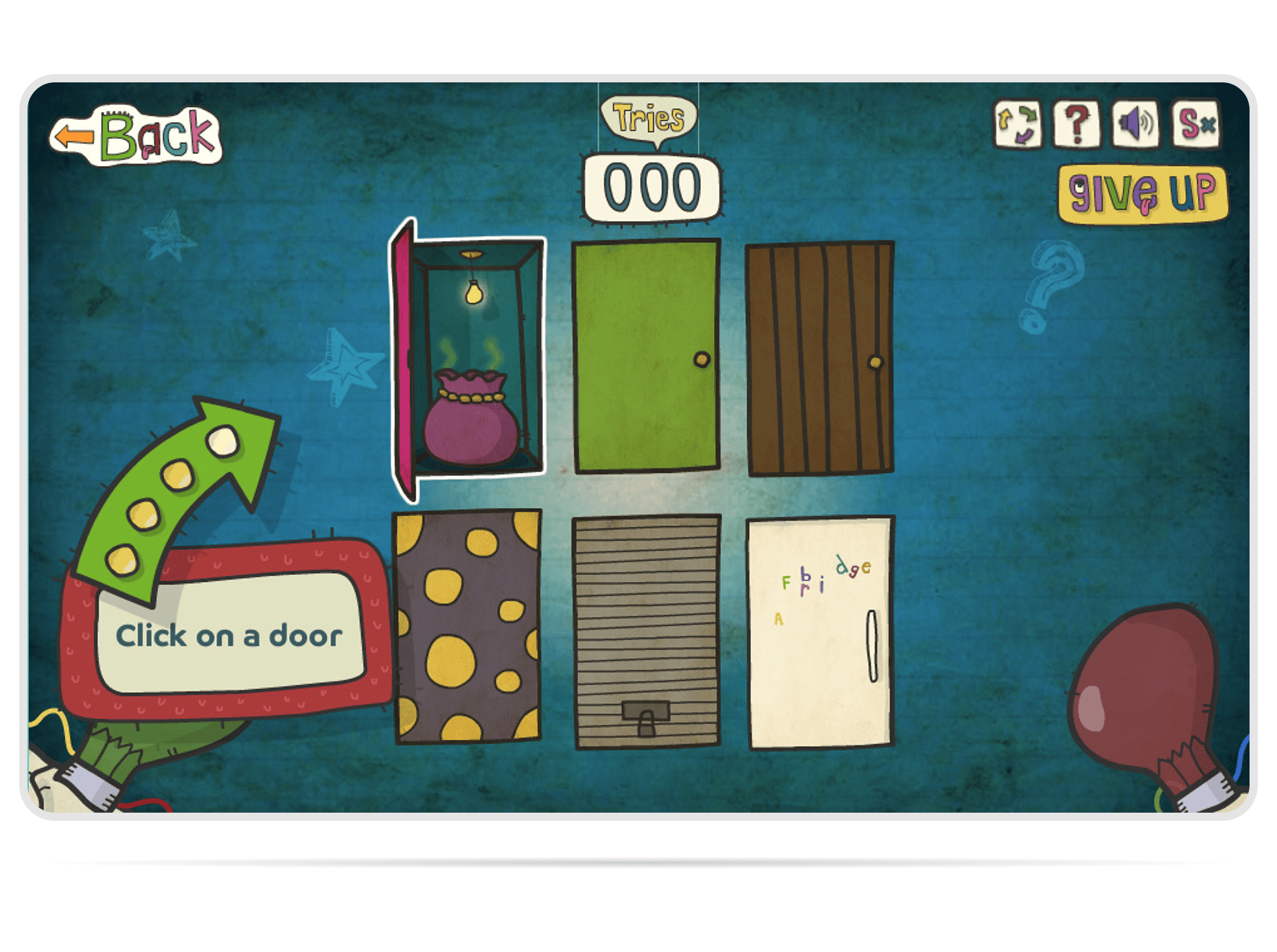
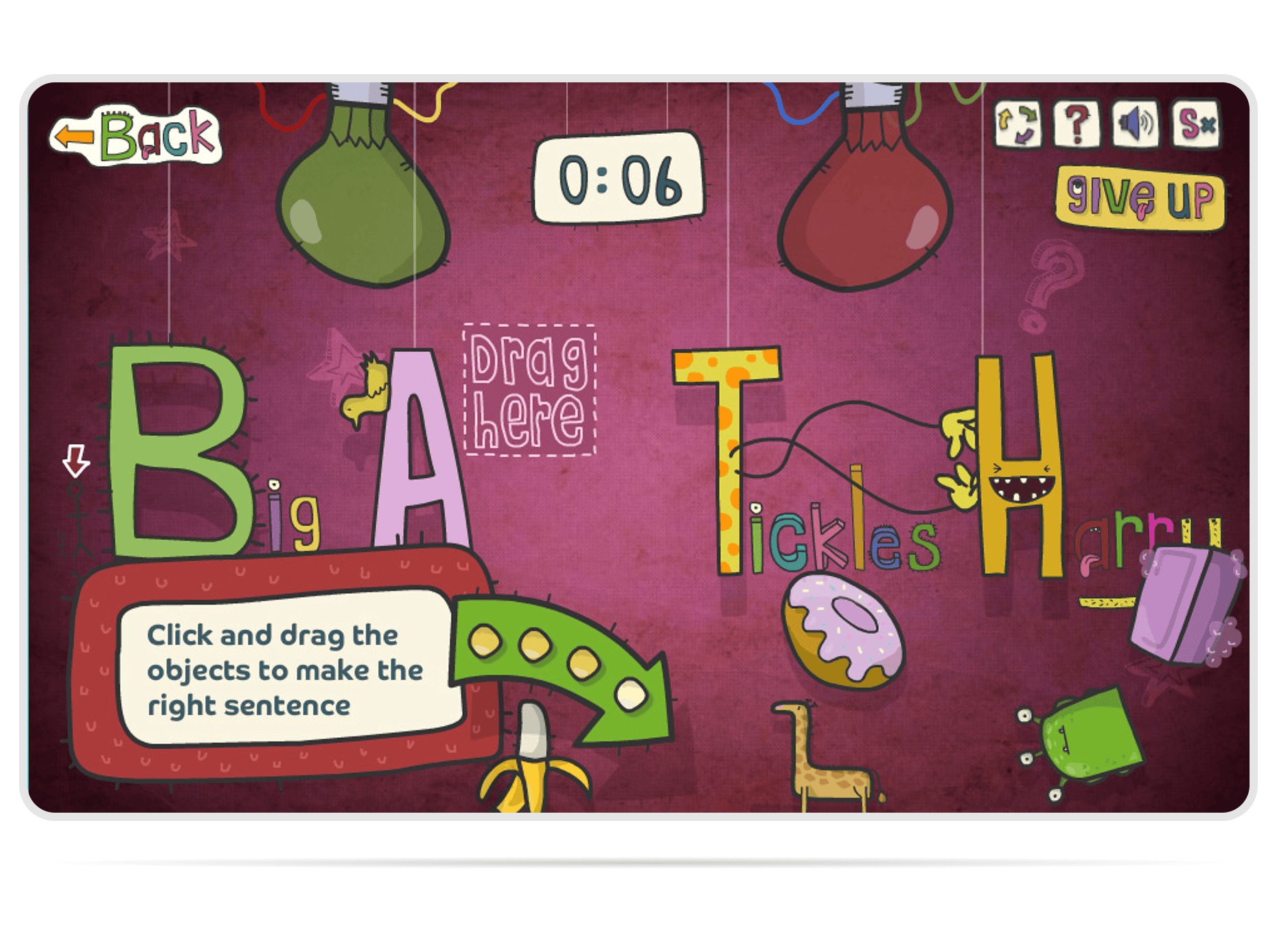
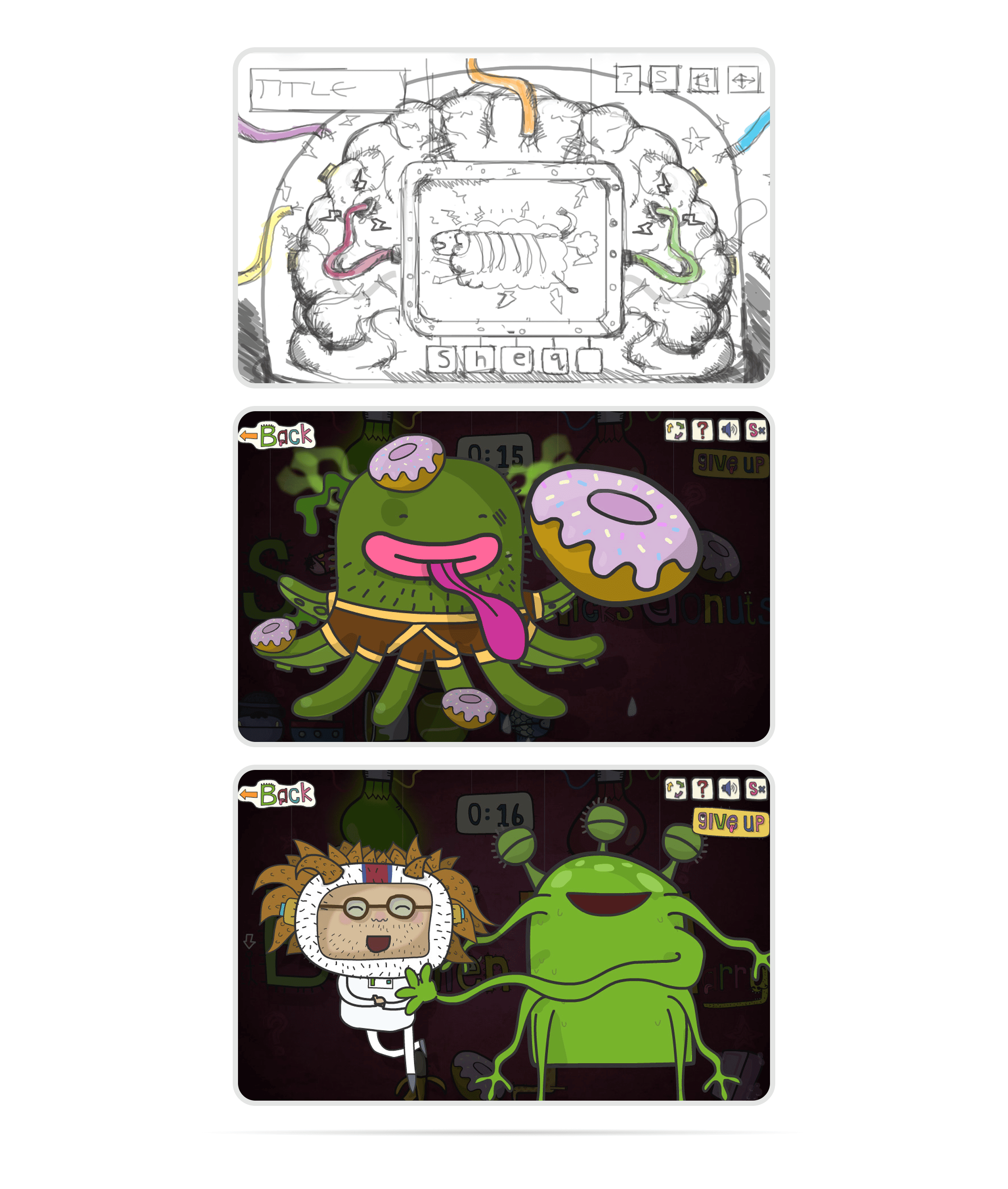
Try Being Me was a BBC Newsround interactive experience created to accompany the documentary My Dyslexic Mind on CBBC. The project put children directly into the experience of living with dyslexia, using a combination of video, animation and interactive sequences to build empathy and understanding in a young audience.
As Lead Designer I was responsible for the full experience design, working closely with the BBC editorial and development teams to bring the concept to life in a way that was honest, age-appropriate and genuinely moving without becoming overwhelming for younger users.
Designing for Empathy
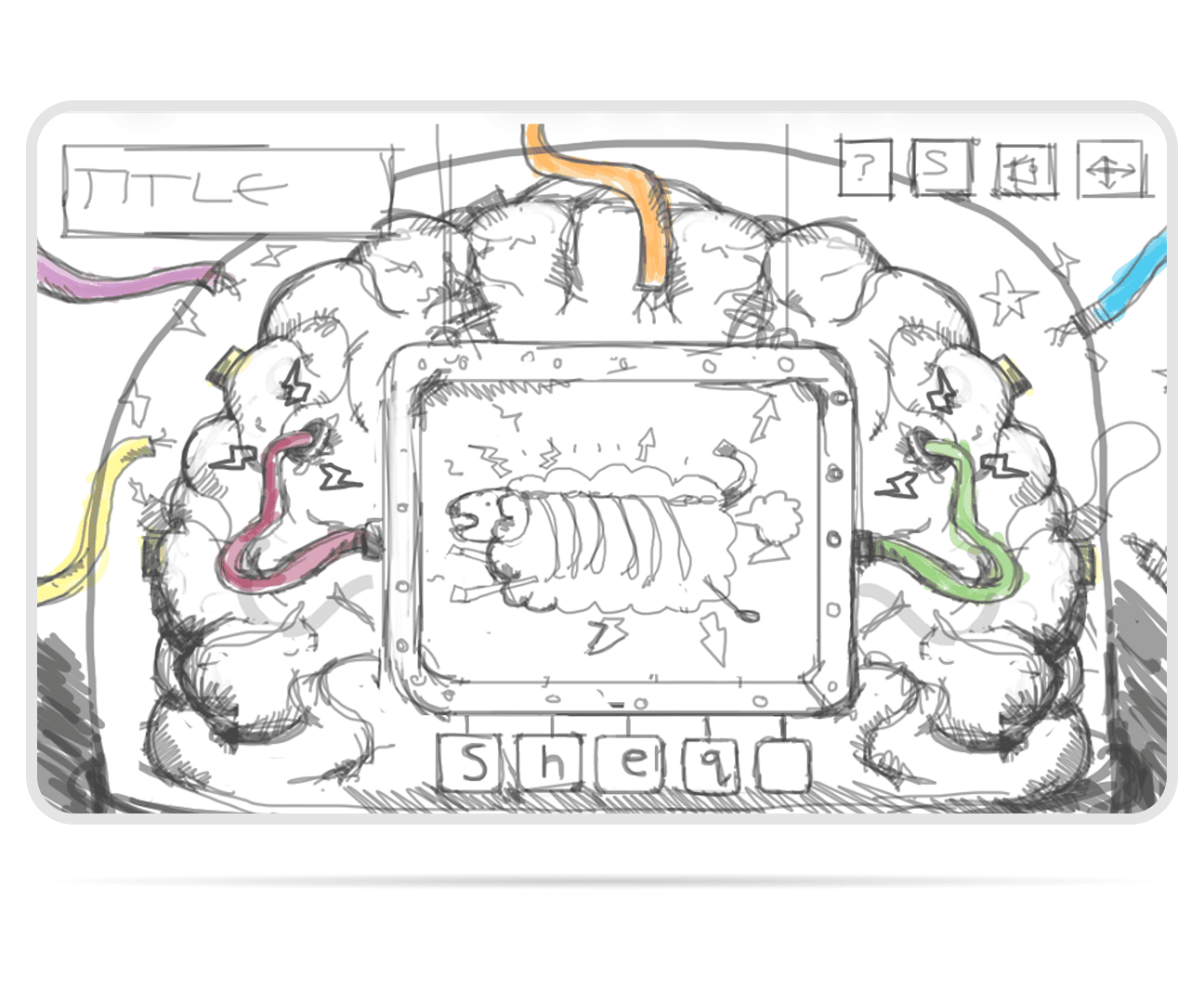
The central design challenge was creating an experience that allowed children without dyslexia to truly understand what it feels like, rather than simply reading about it. Rather than telling them, the design made them experience it directly, using interactions that simulated the cognitive and perceptual reality of dyslexia, including distorted text, letter transpositions and reading under time and visual pressure.
Each moment in the journey was designed to shift perspective, turning information into felt experience. From struggling to read a classroom board to processing written text the way a dyslexic mind does, the interactions were calibrated to be challenging enough to create genuine insight without becoming so frustrating that they disengaged the audience.
The experience needed to feel immersive and real, but also safe and contained, with a clear sense of authorial presence guiding the user through. Every interaction was purposeful: nothing was included just for spectacle, and every moment of difficulty was immediately contextualised to build understanding rather than anxiety.
Editorial and Tone
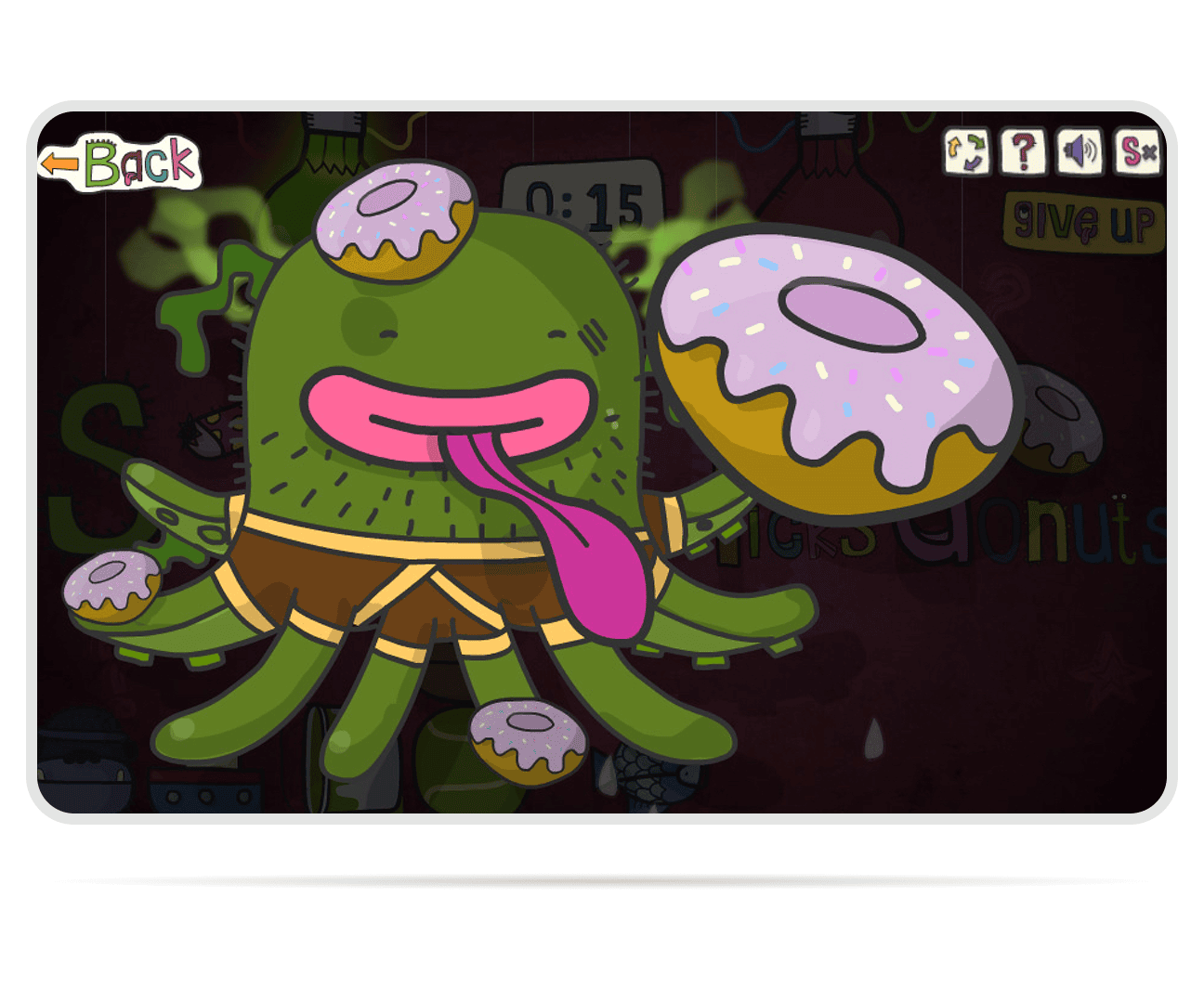
Working closely with the BBC Newsround editorial team, the design ensured the experience reflected real children's stories with care and accuracy. Real video of children living with dyslexia was woven throughout using character-led animation to give the experience warmth and authenticity. The documentary gave the interactive its emotional core, and the design worked to extend that emotional impact through participation rather than passive viewing.
The tone was deliberately warm and encouraging throughout, never judging or lecturing, instead treating its young audience as capable of handling complex emotional content when presented thoughtfully. The goal was for children to leave with a genuine shift in perspective, not just a list of facts about dyslexia.
Accessibility and Inclusion
The visual language was designed to be clear and welcoming across a broad age range, with the interaction model kept deliberately simple so nothing stood between the user and the experience. Accessibility was built in throughout, ensuring the experience was available to children with a range of additional needs, including, with some care in the design, dyslexic users themselves.
This created an interesting design challenge: an experience designed to simulate the difficulties of dyslexia also needed to remain accessible to dyslexic children, who might be watching alongside classmates or engaging with the content as part of a school lesson. The solution was a layered approach, with the simulation moments clearly framed and always offering a way through.
Outcomes
BBC
Publicly funded digital content meeting BBC's public service remit for children's education
CBBC
Commissioned for BBC Newsround and CBBC, reaching millions of children across the UK
1 in 10
Children in the UK are affected by dyslexia, the audience this experience was designed to support
↑
Empathy and awareness raised among children who completed the interactive experience